Discover the current Patterns in Paint Blends for Your Home Remodeling
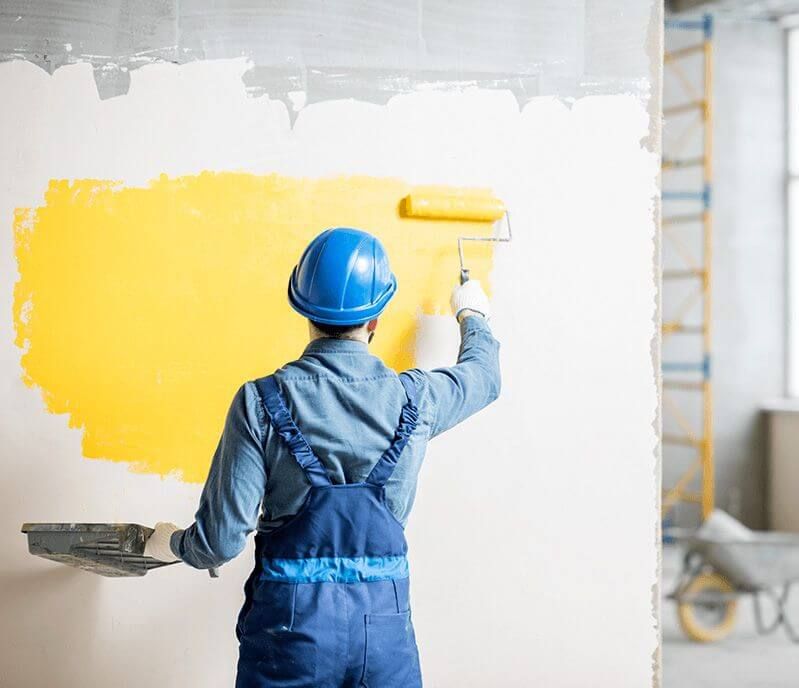
Exploring Color Concept: The Essentials of Paint Blends
Color theory functions as the foundation for understanding paint blends in home remodelings. It incorporates the study of how colors affect and interact each other, playing a significant role in creating unified areas. At its core, color theory includes key, secondary, and tertiary colors, which can be integrated to generate numerous shades and tones. Recognizing color partnerships, such as corresponding, analogous, and triadic, aids house owners choose schemes that evoke wanted ambiences and emotions.
Additionally, the principles of cozy and cool shades lead choices that affect the understanding of area. Cozy colors, like reds and yellows, can develop coziness, while trendy shades, such as blues and eco-friendlies, advertise serenity. By mastering these principles, people can make educated choices regarding paint blends, guaranteeing that their home remodeling shows their personal style while attaining a balanced aesthetic favorable to their living atmosphere.
Trending Shade Combinations for 2023
As house owners seek to refresh their rooms, trending shade combinations for 2023 deal a dynamic scheme that reverberates with contemporary aesthetic appeals. This year, natural tones such as terracotta and olive green are acquiring popularity, offering a cozy, inviting environment. Combined with soft neutrals like off-white and cream, these shades produce a harmonious equilibrium that boosts both conventional and modern-day interiors.
In addition, bold contrasts are on the surge, with deep navy blue and mustard yellow making a striking declaration. This mix adds deepness and energy to any type of room. Pastel shades, including soft lavender and mint green, remain to charm, promoting a tranquil and relaxing setting.
Single schemes featuring differing tones of a single color, such as rich emerald green, are appealing for their refinement and simpleness. These trending mixes show a wish for spaces that really feel both individualized and elegant, aligning completely with present design choices.
Methods for Blending Paint Like a Pro
Blending paint effortlessly needs skill and strategy, transforming normal wall surfaces right into magnificent masterpieces. Professional painters commonly use various methods to achieve perfect results. One prominent technique is the "feathering" approach, where a completely dry brush is used to soften the edges in between various shades. This develops a smooth change and eliminates rough lines.
Another effective approach is the "ombre" technique, which involves slowly blending 2 or more shades from light to dark. This calls for careful layering and consistent brush strokes to maintain a smooth flow.
Making use of a sponge or cloth can also improve blending, enabling for distinct textures and subtle shade variants. It is vital to work in little sections, blending colors while they are still wet to identify a cohesive appearance. Mastery of these techniques can elevate any kind of painting project, offering deepness and sophistication to a home's atmosphere.
Incorporating Appearance and Patterns in Paint Blends
Including appearance and patterns right into paint blends can elevate the visual charm of any space, including depth and personality. Developers progressively use strategies such as sponging, dustcloth rolling, and stenciling to produce special results that attract the eye. These approaches enable the layering of shades and appearances, enhancing the total style.
Making use of distinctive paint products can likewise present dimension to wall surfaces, making them extra vibrant. A matte surface can contrast perfectly with a glossy pattern, creating a striking aesthetic interplay.
Patterns, whether organic or geometric, can be effortlessly incorporated into blends, permitting personalized visual expressions (paint shops in corpus christi). Prints can be conserved as accents or more thoroughly for a vibrant statement
Ultimately, the thoughtful consolidation of appearance and patterns in paint blends changes average rooms into bewitching atmospheres, showing individual style while preserving a natural look throughout the home.
Room-by-Room Guide to Repaint Blends
The application of paint blends can differ significantly from one space to an additional, each room offering one-of-a-kind opportunities for creative thinking and personalization (corpus christi paint store). In living rooms, warm colors can develop a welcoming atmosphere, while cooler tones might promote relaxation. A mix of soft eco-friendlies and blues can take a breath life into content a cooking area, making it really feel vibrant and fresh
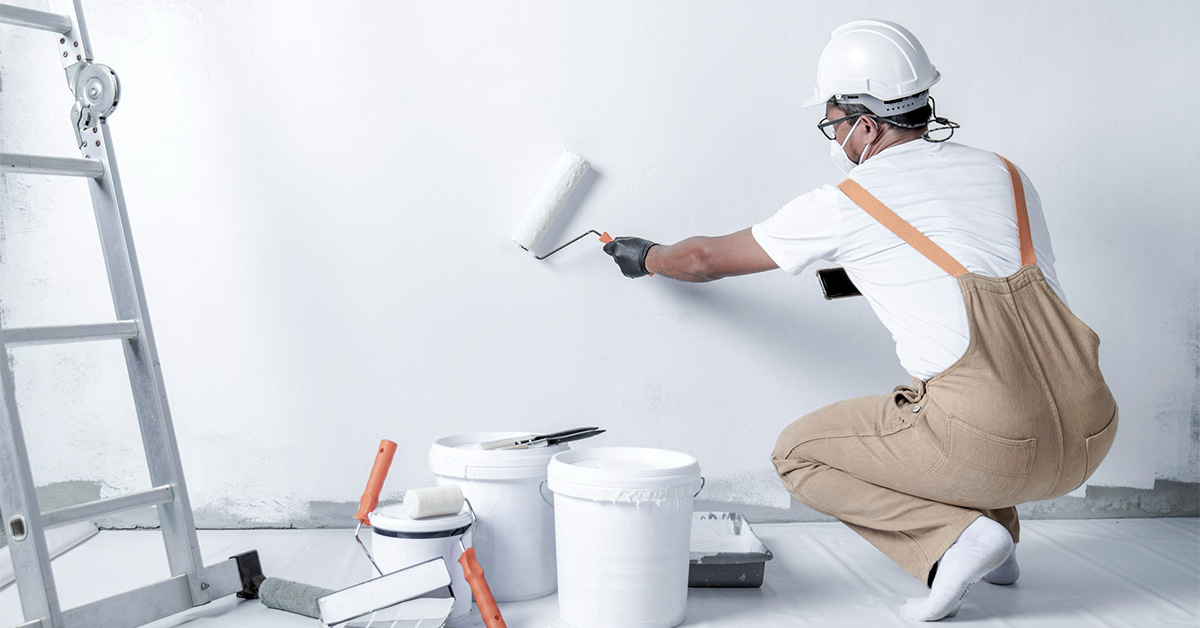
Corridors and entrances gain from complementary blends that guide the eye via the home, often making use of lighter tones to produce a feeling of visibility. In kids's areas, playful mixes of bright shades motivate imagination and fun, permitting a room that expands with the kid. Each room's character can be beautifully shared via thoughtful paint blends.
Tips for Selecting the Right Sheen and end up
How does one figure out the best coating and sheen for their paint project? The option of surface considerably influences the overall appearance and sturdiness of a repainted surface area. Typically, finishes range from level to high-gloss, each serving various visual and practical objectives. For high-traffic areas, such as corridors and kitchens, a satin or semi-gloss coating is advisable, as these are easier to clean and resist dampness. In contrast, flat finishes function well in low-traffic rooms, using a refined, non-reflective appearance.
In addition, light can impact sheen understanding; a space with adequate natural light might take advantage of a matte coating to soften illumination. It is likewise essential to take right into account the area's purpose; as an example, a relaxing space could call for a cozy eggshell finish. Inevitably, understanding the equilibrium in between appearances and functionality can assist people in selecting the perfect finish and shine for their home's change.
Often Asked Questions
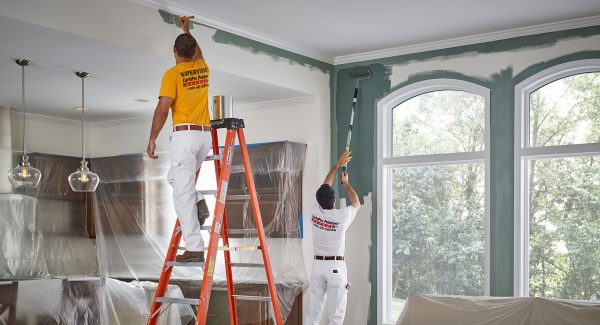
Can I Mix Paint Color Styles Myself, or Should I Hire a Specialist?
Mixing paint colors can be done individually, allowing for individual creativity. However, employing a specialist may guarantee a lot more accurate results and experience, especially for complex layouts or achieving a specific aesthetic vision in home design.
Exactly how Do I Maintain Blended Paint Ends Up With Time?
To keep mixed paint finishes, normal cleaning with mild soap and water is important. Stay clear of unpleasant cleansers, and touch up any scrapes or scuffs immediately. Proper ventilation can likewise assist preserve the paint's vibrancy gradually.
Are There Eco-Friendly Paint Options for Blending?
Yes, there are eco-friendly paint alternatives for blending, consisting of natural and low-voc paints. These products reduce damaging discharges and utilize lasting products, enabling individuals to attain lovely finishes while prioritizing environmental health and wellness and safety.
What Devices Do I Required for Mixing Paint Properly?
To mix paint effectively, one needs high-grade look at more info brushes, rollers, a paint tray, painter's tape, a palette knife, and a spray container for misting. These tools assure smooth changes and professional-looking cause any painting job.
Exactly how Do I Fix Mistakes in My Paint Blends?
To deal with blunders in paint blends, one can lightly sand the location, apply a guide, and repaint using the appropriate technique. benjamin moore paint store corpus christi. Perseverance and technique are vital for attaining smooth, professional-looking results in paint blending
Color concept offers as the structure for recognizing paint blends in home transformations. The application of paint blends can vary significantly from one room to one more, each space offering unique chances for creative thinking and customization. Mixing paint shades can be you could try this out done independently, permitting for individual creativity. Yes, there are eco-friendly paint options for mixing, including low-VOC and natural paints. To blend paint properly, one needs high-quality brushes, rollers, a paint tray, painter's tape, a combination blade, and a spray container for misting.